2015年6月10日 星期三

Procedures of Intra-gastric Balloon


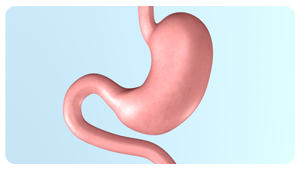
For patients who are overweight but are still indecisive about undergoing surgery, endoscopic intra-gastric balloon is an option. A saline-filled balloon will be placed inside the top of the stomach, reducing stomach volume and giving a sensation of satiety. This is only a TEMPORARY treatment, as the balloon cannot be placed in the stomach for more than 6 months. Patients should maintain a balanced diet and exercise regularly for effective weight loss.


Procedures of Intra-gastric Balloon

Placement of gastric balloon is relatively simple compared to other surgeries. Patients will be sedated and a balloon will be placed inside the stomach with the help of an endoscope. Saline with blue dye will then be injected into the balloon via a catheter. The volume to be injected depends on the patient’s condition, which is about 400-600ml in general.

The procedure takes around 30 minutes and hospitalization is not usually required. Fluid diet is usually advised for the first week after procedure. Also during the first week after balloon placement, patients may experience stomach discomfort or pain, vomiting and abdominal distention.


Benefits of intra-gastric balloon

  • Low risk: Intra-gastric balloon is a non-invasive and low risk procedure. Patients can experience quick recovery, and no general anesthesia is required.
  • Improved eating habits: Patients will easily experience fullness during food intake and thereby reducing volume. The speed of food intake is also important and needs to be adjusted. Dietitian will be instructing you on various eating habit changes.
  • Reversible: Placement of the balloon is only a temporary measure. Patients need to continue with their eating habit changes to maintain their weight loss.
  • Widely applicable: Patients with lower BMI may also consider to undergo this low risk procedure.


Risks of intra-gastric balloon
  • The balloon may break and cause leakage and bowel obstruction.
  • Intra-gastric balloon may cause gastric ulcer, although this is rare.
  • Some patients may experience severe discomfort and vomiting.


The information aims to provide educational purpose only. 
Anyone reading it should consult Surgery Specialist before considering treatment and should not rely on the information above.

2015年6月4日 星期四

腹腔鏡縮胃手術 (下)

微創傷口位置

腹腔鏡縮胃手術的優點


  1. 減重效果明顯:縮胃手術切走約7至8成的胃部,使胃容量大大減少,故此能有效減少食量,很快達至減重效果。
  2. 有效治療糖尿病:術後患者食量大減,加上體內荷爾蒙也受影響改變,如提升Glucagon-like peptide-1 (GLP-1) 及 Peptide YY (PYY),有效使血糖降低,治療糖尿病。
  3. 減少食欲:胃部頂端是分泌刺激食欲荷爾蒙的位置,由於縮胃手術會切走該部位,使患者減少飢餓的感覺,容易有飽肚感。


腹腔鏡縮胃手術的風險 / 缺點


  1. 術後患者可能會出現胃部過窄引致吞嚥困難、傷口流血,或因切口縫合不好而令胃部穿洞的併發症,但以上情況較罕見。
  2. 縮胃手術要切走部分胃部,不可還原胃部原來容量及形狀。


參考資料: www.obesitysurgery.com.hk
以上所提供的資訊僅作為教育及參考用途,如果你有任何醫療問題,
應向自己的外科醫生查詢,而不應單倚賴以上提供的資料。

2015年6月3日 星期三

腹腔鏡縮胃手術 (上)


縮小胃部減少食量?屬限制式的微創腹腔鏡縮胃手術,是現時亞洲最普遍使用的減重手術,透過切走部分胃部,減少食量,除了令減肥效果更快捷外,亦能有效治療 糖尿病,抑制血糖過高,成功率達70%;而此手術更可減少分泌刺激食欲的荷爾蒙Ghrelin,使胃口減少。縮胃手術康復時間快,且不用長期定時覆診,術 後患者遵照營養師建議均衡飲食及做運動,便可達至減重效果,因此愈來愈多肥胖患者採用。


腹腔鏡縮胃手術過程
腹腔鏡縮胃手術適合體重指數(BMI)逾30的人士進行,施手術前兩星期,患者宜進食流質食物,在術前一日,則要禁食。該手術以全身麻醉方式進行,醫生會 在患者腹部切開4至5個大約直徑1至2厘米的小切口,然後透過腹腔鏡從中間切走約7至8成的胃部,並用手術釘將切口縫合,形成一個儼如香蕉形的小胃囊。整 個手術過程約個多小時,患者只需留院3至4日,不用服藥。

術後,患者在首兩星期宜進食流質食物,避免影響傷口癒合,之後可進食粥類食品,直至1個月後,便可回復正常飲食,惟患者必須要遵照營養師建議飲食,否則會影響減重效果。


參考資料: www.obesitysurgery.com.hk
以上所提供的資訊僅作為教育及參考用途,如果你有任何醫療問題,
應向自己的外科醫生查詢,而不應單倚賴以上提供的資料。

2015年5月27日 星期三

Laparoscopic Adjustable Gastric Band (LAGB) (2)

Benefits of LAGB:

  • Improved eating habit: many overweight patients fail to feel sense of fullness due to eating too quickly. After surgery, eating too quickly will induce an early sense of satiety and may occasionally vomit, therefore, patients are taught to adjust their eating habits. 
  • Low risk of surgery: overall mortality rate is approximately 0.05%
  • Durability: all gastric bands are designed to last lifelong.
  • eversibility: since the surgery does not involve removing or cutting any part of the stomach, the band can be easily removed by minimally invasive approach at any time.
  • Adjustable: doctors can control the volume of saline to control the band tightness according to patient’s weight loss progress.
  • Quick recovery: with the benefits of minimally invasive technique, patients recover quickly from surgery and can return to their normal daily activities soon after surgery.

Risk of LAGB:

  • Risk of adjustment (access) port damage (up to 3%), slippage (3-8%) and erosion (up to 2%).
  • Involves implantation of a “foreign body”.
  • Relatively less weight loss compared with other bariatric surgeries.


The information aims to provide educational purpose only.  Anyone reading it should consult Surgery Specialist before considering treatment and should not rely on the information above.

2015年5月19日 星期二

Laparoscopic Adjustable Gastric Band (LAGB) (1)


Asian diet consists mainly of volume instead of fast foods and sweets in the West. The influence of the “Western” portion sizes is causing more and more obese populations worldwide.

For BMI over 30, with an over-eating habit, LAGB may be a possible solution for weight loss by reducing the portion size ingested and improving daily eating habits.

This is one of the most widely adopted weight loss surgery as it is minimally invasive. Doctors can adjust the band according to the condition of the patient.


Procedure of LAGB:

Under normal conditions, once food is ingested, it will passes through the stomach and be broken down and absorbed in the small bowel. During the minimally invasive LAGB surgery, only four small incisions will be made. A silastic gastric band will be placed at the upper portion of the stomach to create a 15-20 ml “gastric pouch”. The adjustment port will be placed under the skin so it is completely invisible.


According to patient’s weight loss progress, doctors will adjust the band tightness by injecting saline solution via the adjustment port to the band. Patient will usually notice slight hold up sensation following adjustment but there should be NO pain.


The surgery is performed under general anesthesia, which takes about 1-1.5 hour. Shortly after surgery (on the same day) patient can start mobilizing and the length of stay is usually 1-2 days after surgery. No long-term medication is required. However, patients should change / restrict their diets, according to instructions given by Dr. Wong and your dietitian. Patients who had received LAGB will have to come back for follow up on a more regularly basis (every 1-2 months) during the first 2 years – as this is the “golden period” for weight loss. Long-term follow up is also needed.


The information aims to provide educational purpose only.  Anyone reading it should consult Surgery Specialist before considering treatment and should not rely on the information above.

2015年5月12日 星期二

Laparoscopic Sleeve Gastrectomy (2)


Benefits of laparoscopic sleeve gastrectomy

  • Obvious weight loss: ~70-80% of the stomach will be removed thus significantly reduce stomach volume and induce a much earlier sense of satiety.
  • Effective diabetic control: with the reduced stomach volume and changes in hormones, such as increasing glucagon-like peptide-1 (GLP-1) and peptide YY (PYY) for diabetes treatment that is stimulated by faster stomach emptying.
  • Reduced appetite: There is an immediate reduction in levels of the appetite stimulating hormone – Ghrelin, thus significantly reduce patient’s hunger sensation and appetite.

Risks of laparoscopic sleeve gastrectomy

  • Low risk: overall mortality risk is <1%.
  • Irreversibility: once the greater curve of the stomach is removed, normal stomach anatomy cannot be reinstated.
  • Heartburn: patients may experience a higher incidence of reflux / heartburn following surgery. 


The information aims to provide educational purpose only.  Anyone reading it should consult Surgery Specialist before considering treatment and should not rely on the information above.

2015年5月11日 星期一

Laparoscopic Sleeve Gastrectomy (1)

Want to have a better control of eating volume without the need to avoid various foods? Laparoscopic sleeve gastrectomy, a restrictive minimally invasive laparoscopic surgery, is the most widely performed weight loss surgery in Asia. By reducing the stomach size, patients will feel a sense of fullness much earlier, and thereby substantially reducing the volume intake.

Besides more effective weight loss, this surgery is effective in diabetic treatment with a remission rate of almost 70%. This surgery can significantly suppress the secretion of Ghrelin – a powerful appetite stimulating hormone. Patients recover quickly from surgery and are able to return to their daily activities in a short period of time. In order to achieve your target body weight, patients will have regular follow up with Dr. Wong and his team of allied health specialist (including dietitian and physiotherapist).


Procedure of laparoscopic sleeve gastrectomy

This surgery is indicated for patients with BMI over 30. Two weeks prior to surgery you are instructed to have only fluid diet and milk supplements. The surgery is performed under general anesthesia. Dr. Wong will make 4-5 small (1-1.5cm) incisions and remove 70-80% of the stomach in order to create a ‘banana’ shaped stomach. The entire procedure last for about one and half hours and patients will be discharged from hospital 3-4 days after surgery.

After your surgery, fluid and congee diet must be maintained within the first month in order to allow for good wound healing. After then, a “new” normal diet can be resumed. All patients must follow dietitians’ advise to ensure effective weight loss.


The information aims to provide educational purpose only.  Anyone reading it should consult Surgery Specialist before considering treatment and should not rely on the information above.

2015年5月8日 星期五

Laparoscopic Gastric Bypass (2)


Benefits of Gastric Bypass

  • Effective diabetic treatment: gastrectomy affects hormone secretion in the body. Therefore, around 80% of patients have their diabetes cured after the surgery. It is also effective in managing hypertension, hyperlipidemia and sleep apnea.
  • Effective weight loss: this surgery is by far the best laparoscopic weight loss surgery.
  • Quick recovery: laparoscopic surgery is relatively less traumatic and allows quicker recovery.

Risks of Gastric Bypass

  • Lack of vitamins: gastric bypass affects absorption in the small intestines. As chronic vitamin deficiency may lead to anemia, patients are required to take vitamin supplements and undergo regular checkups to screen for anemia and malnutrition.
  • Complications: this is a relatively complicated surgery. The risk of complications is about 1%. Therefore, it is highly advisable to have the surgery performed by experienced surgeons.
  • Not suitable for upper endoscopy: since the majority of the stomach and duodenum are bypassed, endoscopy cannot be used for examination.


The information aims to provide educational purpose only.  Anyone reading it should consult Surgery Specialist before considering treatment and should not rely on the information above.

2015年5月7日 星期四

Laparoscopic Gastric Bypass (1)


 Gastric bypass is by far the most effective weight loss surgery for obese as well as diabetic patients with a success rate of over 80%. Gastric bypass is a combination of restrictive and malabsorptive weight loss surgeries. It reduces stomach volume and appetite while bypassing the duodenum to reduce calorie absorption in order to achieve significant weight loss. However, patients are required to take vitamins regularly and undergo regular checkups to prevent the risk of anemia.  


Procedure of Laparoscopic Gastric Bypass

Laparoscopic gastric bypass is suitable for patients with a BMI over 40. A liquid diet is suggested two weeks before the surgery. No food is allowed on the day before the surgery. Performed under general anesthesia, 4 to 5 small incisions will be made on the abdomen, each being 1-2 cm in diameter, so that laparoscopic instruments could be inserted. Gastrectomy will then be performed to reduce stomach volume by 20-30ml.

The ileum will then be connected to the stomach, bypassing the duodenum. The remaining part of the stomach will remain in the body for secreting gastric juices for iron and calcium absorption. The surgery takes around 2-3 hours. Patients have to be hospitalized for 4-5 days but may move around after surgery. Patients are advised to maintain a liquid diet for the first two weeks after surgery, and then progress to a puree diet. One month later, normal diet can be resumed. However, patients need to follow dietitians’ advice and exercise regularly, as well as undergo regular follow ups for effective weight loss.


The information aims to provide educational purpose only.  Anyone reading it should consult Surgery Specialist before considering treatment and should not rely on the information above.